
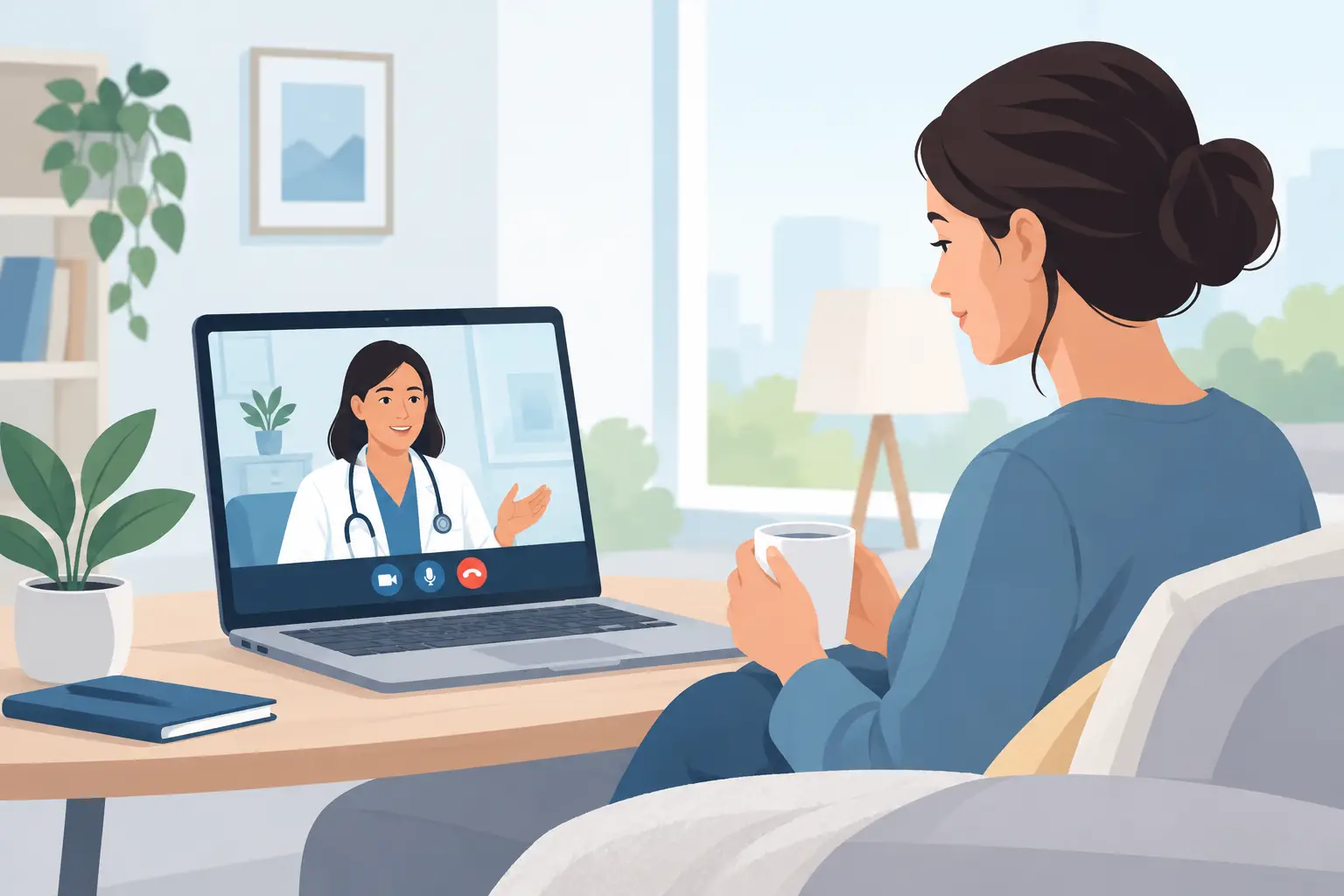
How a Telehealth Primary Care Provider Fits Life
A prescription refill should not always require a half-day away from work. Neither should a discussion about ongoing symptoms, a review of blood work, or a plan for managing a chronic condition. A telehealth primary care provider gives patients a practical way to build routine care around real life - caregiving, commuting, limited mobility, and schedules that do not match clinic hours.
Virtual primary care is not meant to replace every hands-on medical service. It is a way to make the relationship with a care team more accessible, especially when it is connected to the lab collection, imaging, referrals, and follow-up a patient may need next.
What a telehealth primary care provider does
A primary care provider is often the first clinical point of contact for preventive care and non-emergency health concerns. Through video or phone visits, qualifying patients can discuss new symptoms, chronic conditions, medications, preventive screenings, mental health concerns, and health goals with a licensed clinician.
The value is continuity. Rather than starting from scratch with a different provider each time an issue comes up, patients can establish care with a team that understands their history, current medications, and prior test results. That context can make routine decisions clearer and follow-up more useful.
Telehealth can work well for concerns that rely heavily on conversation, observation, care planning, and review of records. A provider may assess a rash by video, discuss changes in blood pressure readings taken at home, review diabetes management, order appropriate testing, or determine whether an in-person exam is the better next step.
A good virtual primary care experience should feel clinical, not transactional. The visit may happen through a screen, but the standard should still include careful questions, clear documentation, privacy protections, and a plan for what happens after the appointment.
When virtual primary care is a good fit
For many adults and families, routine care becomes delayed because getting to a clinic is difficult, not because the concern feels unimportant. Telehealth reduces that friction. It can be especially useful for patients balancing a job, school schedules, family responsibilities, transportation barriers, or recovery at home.
Common reasons to schedule a virtual primary care visit include medication management, preventive-care conversations, stable chronic-condition follow-up, mild illnesses, referrals, test-result reviews, and discussions about new but non-emergency symptoms. It can also give patients a straightforward starting point when they are unsure which type of care they need.
That said, telehealth has limits. Some concerns require a physical examination, a swab, an EKG, imaging, or treatment that cannot be delivered remotely. A clinician may recommend an in-person appointment, mobile diagnostic support, urgent care, or emergency evaluation based on your symptoms and medical history. This is not a failure of virtual care. It is the care team using the right setting for the situation.
Chest pain, severe trouble breathing, signs of stroke, major bleeding, loss of consciousness, or other potentially life-threatening symptoms need emergency care. Call 911 or seek emergency help rather than waiting for a telehealth visit.
The difference between primary care and virtual urgent care
Virtual urgent care and telehealth primary care can both be convenient, but they solve different problems.
Urgent care is designed for prompt evaluation of a new, non-emergency issue that cannot wait for a regular appointment. Think of a urinary tract infection concern, a sinus infection, a minor skin issue, or a sudden need for a work note. Same-hour access can be valuable when symptoms arise after hours or while traveling.
Primary care is broader and ongoing. It focuses on prevention, patterns over time, medication safety, chronic disease management, and coordination with specialists. A primary care provider can help connect the dots between a recurring symptom, prior lab results, family history, and the treatment plan that has or has not worked before.
Many patients benefit from having access to both. Urgent care can address the immediate problem; primary care can provide the follow-through. The important question is not which option is universally better. It is which setting matches the concern, the timing, and the level of care needed.
Coordination matters after the visit
A virtual appointment is only as useful as the next step is clear. If a clinician orders blood work, imaging, or a referral, patients should not be left to navigate a separate maze of phone calls, forms, and locations without guidance.
This is where coordinated care can reduce delays. Depending on location, eligibility, and clinical need, diagnostic services may be arranged at home, at work, in a facility, or through an after-hours collection site. For example, a certified phlebotomist can collect an ordered specimen without requiring a patient to rearrange an entire day around a traditional lab visit. When results return, the primary care team can review them in the context of the original concern.
For patients who need imaging but have difficulty traveling, bedside mobile X-ray services may also be appropriate when ordered by a clinician. These options do not eliminate the need for hospitals, specialty offices, or imaging centers in every circumstance. They expand where care can happen when the service and patient situation allow.
Bayford Health brings virtual care, mobile diagnostics, and after-hours access into one coordinated model so patients have fewer disconnected steps to manage.
How to prepare for a virtual primary care visit
A little preparation helps a telehealth clinician make better use of the appointment. Before the visit, write down when symptoms started, what makes them better or worse, and any questions you do not want to forget. Have your current medication list available, including over-the-counter medicines and supplements.
If you monitor health data at home, keep recent readings nearby. Blood pressure, temperature, blood sugar, weight changes, pulse readings, or photos of a visible concern may help the clinician understand what is happening between appointments.
For the most productive visit, make sure you have:
A private, well-lit place with a dependable phone or internet connection
Your insurance information and preferred pharmacy details, if applicable
A list of medications, allergies, past diagnoses, and recent test results
Enough time to discuss the concern without needing to leave midway through the visit
It also helps to be direct about practical barriers. If you cannot travel easily, work overnight shifts, need an after-hours lab option, or have caregiving responsibilities, tell the care team. Access needs are part of care planning, not an afterthought.
Questions to ask before choosing a provider
Not every telehealth service offers the same level of continuity. Some are built for one-time visits. Others are designed to support an ongoing primary care relationship. Before enrolling, ask whether you can see the same provider or care team over time, how follow-up is handled, and what happens if you need an in-person service.
You may also want to ask how prescriptions, referrals, lab orders, and results are managed. If you already have a specialist, find out how records can be shared. For families, confirm the age ranges served and whether the service can support the different needs of adults and children.
Privacy matters as well. A responsible provider should use secure, HIPAA-compliant processes for visits, records, and diagnostic information. Convenience should never require patients to give up confidence in how their personal health information is handled.
Care that meets people where life happens
The best use of telehealth is not to make healthcare feel distant. It is to bring appropriate care closer to the places where people already live, work, recover, and care for others.
If routine care has been pushed aside because getting to an appointment feels like one more impossible task, a telehealth primary care relationship can be a practical place to begin. Start with the concern you have now, ask what follow-up will look like, and choose a care option that can stay connected when your needs change.

Comments