
Fast Blood Draws Without Cutting Corners
A fast blood draw is not just about getting the needle in and out quickly. It is about having the right order, the right supplies, a qualified phlebotomist, and a clear plan for getting your specimen where it needs to go. When those details are coordinated, routine lab work can fit more easily around a workday, caregiving responsibilities, travel, or an unexpected health concern.
For many people, the hardest part of blood work is not the collection itself. It is finding an appointment that works, traveling to a collection site, waiting after check-in, and wondering whether the results will reach the clinician managing their care. Faster access starts by reducing those steps without compromising patient identification, specimen quality, or privacy.
What a Fast Blood Draw Should Mean
A quick collection can be appropriate when the process is well organized. A certified phlebotomist confirms your identity, reviews the test order, selects the correct collection tubes, labels specimens accurately, and follows required handling procedures. Those safeguards are not optional steps to skip when time is limited. They are what make an efficient visit dependable.
The actual needle portion of a routine blood draw often takes only a few minutes. The total visit can take longer depending on the type and number of tests, whether fasting is required, how easily a vein can be accessed, and whether a specimen needs special processing. Some tests must be protected from light, kept at a specific temperature, processed within a certain timeframe, or shipped to a specialized laboratory. In those cases, careful handling matters more than shaving off another minute.
A fast blood draw also does not mean a rushed experience. You should have time to share relevant information, such as a history of fainting, difficult draws, a bleeding condition, or concerns about needles. A capable phlebotomist uses that information to make the collection safer and more comfortable.
How to Prepare for a Faster Lab Visit
The most useful preparation happens before the phlebotomist arrives or before you enter the patient service center. Confirm that your clinician has sent the lab order and ask whether your tests require fasting, a specific collection time, or any other instructions. Do not assume every blood test requires fasting. If you have been told to fast, follow the instructions provided by your clinician or testing program.
Unless you have been asked to limit fluids for a medical reason, drinking water can help you stay hydrated. Hydration may make veins easier to access for some patients. Avoid making medication changes on your own. If you are unsure whether to take a medication before your blood draw, ask the clinician who ordered the test or the pharmacist who manages that medication.
Wear clothing with sleeves that can be rolled up comfortably. Have your photo identification, insurance details if applicable, and any order information available. If you are prone to dizziness or have fainted during blood draws before, let the phlebotomist know before collection begins. They may be able to position you more comfortably and observe you afterward.
For children, older adults, and people with sensory sensitivities, a little preparation can make a meaningful difference. Explain what will happen in simple terms, bring a familiar comfort item when appropriate, and ask whether the collection can be performed in a calm setting. Speed is helpful, but feeling prepared is often what makes the visit easier.
Why veins are not the same every day
Even people who usually have an easy blood draw can have a difficult day. Dehydration, cold temperatures, recent illness, age, certain medications, prior treatment, and individual anatomy can all affect vein access. A phlebotomist may use a warm pack, change positioning, or select a different site when appropriate.
If a collection requires more time than expected, that does not automatically signal poor service. Sometimes the safest choice is to slow down, reassess, and avoid unnecessary attempts. Patients should feel comfortable asking what is happening and what options are available if a draw becomes difficult.
The Coordination Behind an Efficient Collection
A smooth blood draw depends on more than clinical technique. It also depends on operations. Before collection, the order needs to be available and understood. During collection, tubes must be matched to the requested tests and labeled in the presence of the patient. After collection, specimens need the right processing, storage, and transport pathway.
This is especially relevant for mobile blood draws. Bringing the clinic to a home, workplace, senior living community, or other care setting can remove travel and waiting-room barriers. But a mobile appointment still requires the same attention to identification, sanitation, specimen integrity, and HIPAA-compliant workflows as a traditional collection site.
A coordinated care model can reduce the back-and-forth that patients often experience. For example, a virtual clinician may evaluate a non-emergency concern, order appropriate testing, and help arrange a collection option that fits the patient's schedule. That approach is useful when a patient cannot easily leave work, is recovering at home, is caring for a family member, or needs after-hours access.
Bayford Health is built around this kind of connected access, bringing clinical support, certified phlebotomy, diagnostic coordination, and flexible collection options together when eligible services are available. The goal is practical: help patients complete the next step in care without turning routine testing into an all-day task.
When Mobile or After-Hours Collection Makes Sense
A mobile blood draw can be a practical option for people with mobility limitations, busy schedules, transportation challenges, or a preference for collection in a familiar environment. It can also support families coordinating care for an older adult, a patient recovering from illness, or someone who needs testing completed at a workplace or facility.
After-hours laboratory access can be equally valuable when daytime appointments are not realistic. A person working a shift, commuting long distances, or managing school pickups may need a collection time outside a conventional clinic schedule. Access that reflects real life can make it more likely that ordered testing is completed promptly.
Still, the best location depends on the test. Some specialty tests, urgent testing needs, and specimens with strict processing requirements may be better handled at a specific laboratory or care setting. Ask whether your order is appropriate for mobile collection and whether any timing requirements apply. A trustworthy service will be clear about what it can support and when another setting is the better clinical choice.
What to Expect During and After the Draw
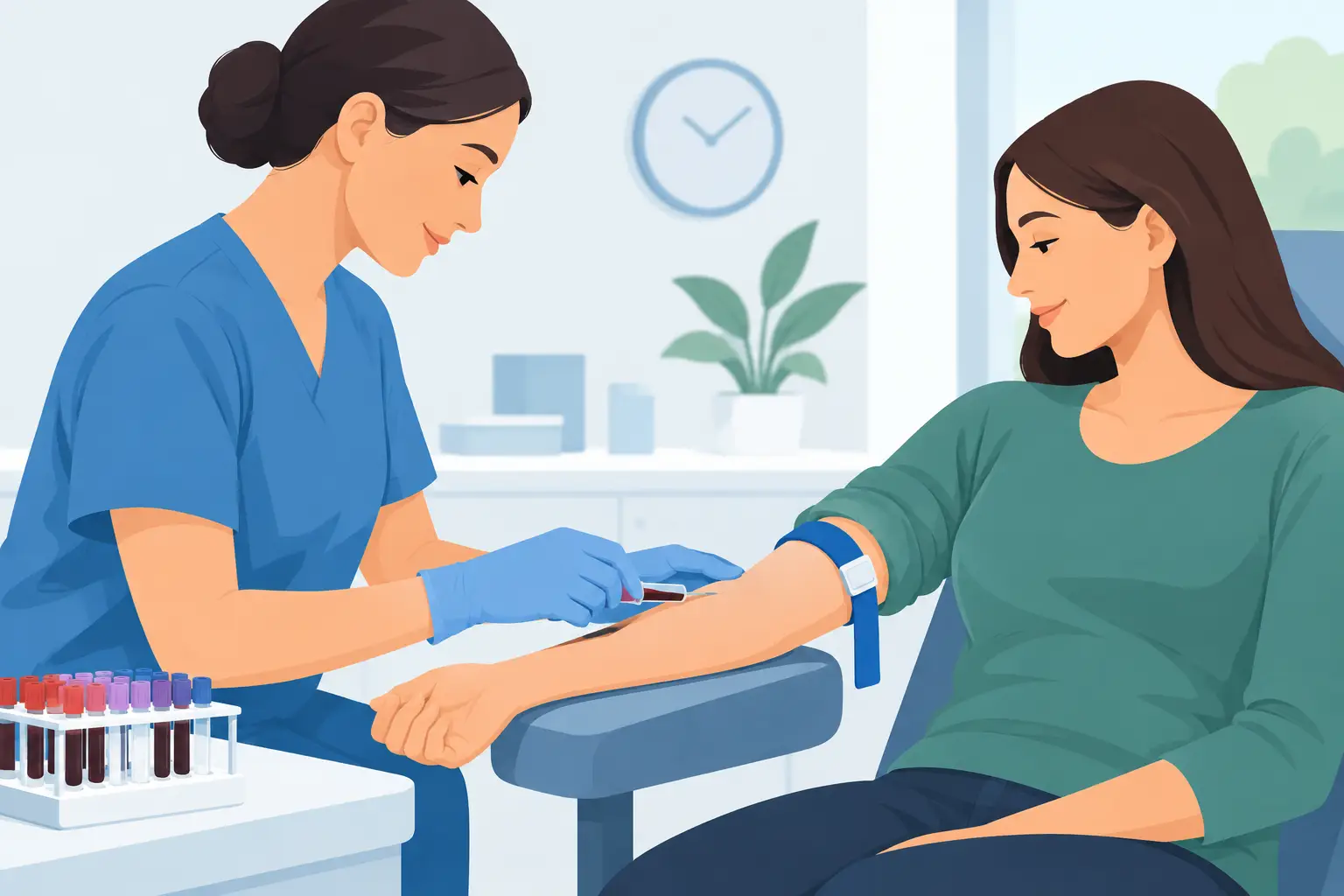
Your phlebotomist will typically verify your identity using at least two identifiers, review the order, and prepare the collection site. You may feel a brief pinch when the needle is inserted. Once the required tubes are collected, the needle is removed and pressure is applied with gauze or a bandage.
Keep pressure on the site for the amount of time instructed, particularly if you take blood-thinning medication or tend to bruise easily. Mild tenderness or a small bruise can occur. Contact a healthcare professional if you have persistent bleeding, significant swelling, worsening pain, numbness, or other symptoms that concern you.
If you feel faint, nauseated, sweaty, or lightheaded after a blood draw, tell the phlebotomist right away. Sit or lie down until you feel steady. Do not rush back to driving, exercising, or a demanding activity if you are not feeling well.
Fast Does Not Replace Follow-Through
Collection is one step in a larger care process. Results may be available quickly for some tests and take longer for others, particularly when samples are sent to a reference laboratory. Your clinician should interpret results in the context of your symptoms, medical history, medications, and any prior testing. A number outside a reference range does not always mean there is an urgent problem, and a result within range does not always answer every clinical question.
If blood work was ordered because of severe symptoms such as chest pain, trouble breathing, signs of stroke, heavy bleeding, confusion, or a sudden serious change in condition, do not rely on a routine blood draw as a substitute for emergency care. Call 911 or seek emergency help.
The right blood draw experience should respect your time while protecting the details that matter. When the order, collection, handling, and follow-up are coordinated, lab work becomes less of an obstacle and more of what it should be: a clear next step toward care that fits where life already happens.


Comments